Nobody else in this market builds their shop around older cars. Theo does, and it changes how the work gets done.
Single-stage lacquer, thin original finishes, forty-year-old chrome and rubber that will crack if you hit it with the wrong chemical — none of that behaves like a 2024 clear coat. Most detailing is set up for modern cars because most cars are modern.
On an older car we go slower, test in an inconspicuous spot first, and do the trim, chrome and glass by hand. Where the original finish can be saved, it gets saved — a car only has so much paint on it.
The job Theo is proudest of is a 1953 Chevy — paint corrected, engine bay polished, interior done, the whole car ceramic coated. That's the kind of work this shop is set up for.
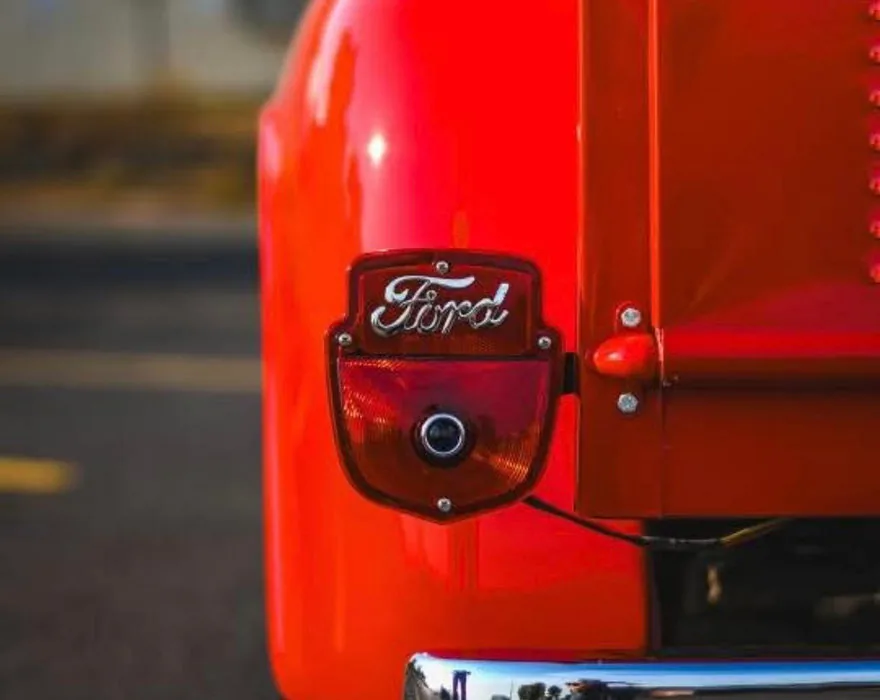
Three days, and you'll know what's happening on each of them.
We look at the car under proper light and tell you honestly whether it needs correction, restoration, or just a good wax. Sometimes the answer is the cheap one.
Cut and polish, or color sanding where the paint needs it. Hand work on everything that shouldn't see a machine. Defects addressed in order.
Sealed or coated so the work lasts. If you're doing shows, we'll talk about what holds up under a trailer and what doesn't.
A proper cut and polish for paint carrying real defects — swirls, scratches, oxidation.
Color sanding worked through to a finished surface. The biggest job on the menu.
Not sure which? Send a photo of the worst panel and we'll tell you straight — including when the cheaper one is enough.
Tell us the year, make and model and what you're hoping to get back. You'll get a real answer before you commit to anything — including if the paint is past saving.